Paint solutions that last: best coatings for busy commercial spaces
April 10, 2025
Commercial painting scheduling: 5 ways to avoid business downtime
April 14, 2025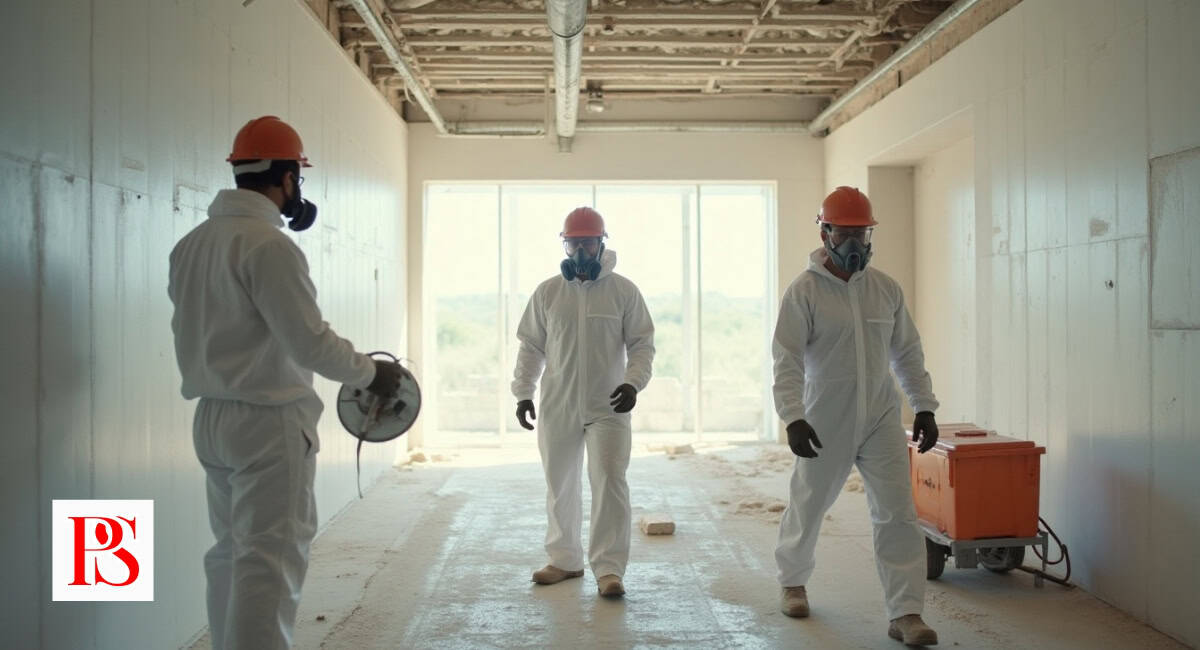
Interior demolition creates significant amounts of hazardous dust particles that pose serious risks to both occupants and property. These microscopic particles contain various harmful substances requiring professional management and containment strategies. At Pro Solutions, with over 7 years of experience handling demolition projects across South Florida, we’ve developed effective techniques to manage these hazards safely.
Health and Safety Hazards of Demolition Dust
Demolition dust contains multiple toxic substances that create immediate breathing hazards:
- Silica particles from concrete crushing penetrate deep into lungs
- Lead dust from old paint causes severe neurological effects
- Asbestos fibers from vintage building materials trigger respiratory diseases
- Mold spores released during wall removal cause allergic reactions
- Chemical residues from building materials irritate eyes, skin, and membranes
Exposure to these contaminants leads to both acute and chronic health conditions:
| Health Impact | Time Frame | Risk Level |
|---|---|---|
| Eye Irritation | Immediate | Moderate |
| Respiratory Issues | 24-48 hours | High |
| Lung Disease | Long-term | Severe |
| Allergic Reactions | 1-4 hours | Moderate |
Property Damage Concerns
Uncontrolled demolition dust infiltrates building systems causing extensive damage:
- HVAC systems clog with fine particles requiring costly cleaning
- Electronic equipment shorts out from conductive dust buildup
- Fabric surfaces permanently stain from settling debris
- Paint finishes scratch from abrasive particle contact
- Floor materials deteriorate from grinding grit exposure
1. Essential Dust Control Equipment and Tools
Interior demolition requires specialized equipment to manage dust particles effectively while protecting workers’ health. Our team at Pro Solutions implements comprehensive dust management strategies using professional-grade tools.
HEPA Filtration Systems
HEPA filtration systems serve as the primary defense against airborne particles during interior demolition. These advanced systems capture 99.97% of dust particles as small as 0.3 microns, making them essential for maintaining air quality. Three key components make up an effective HEPA filtration setup:
Air Scrubbers
- Continuous air purification in enclosed spaces
- Multiple filtration stages for maximum efficiency
- Portable units for flexible positioning
HEPA Vacuums
- Direct dust capture at the source
- Specialized attachments for different surfaces
- Industrial-grade suction power
Ventilation Systems
- Negative air pressure maintenance
- Fresh air circulation
- Filtered exhaust routing
2. Dust Barriers and Containment Methods
Professional dust containment creates sealed work zones that prevent particle spread throughout buildings. Our containment system includes:
Physical Barriers
- Heavy-duty plastic sheeting (6-mil thickness)
- Zip-wall systems with adjustable poles
- Airtight door seals
Pressure Differentials
- Negative air machines
- Sealed ventilation ducts
- Monitored pressure zones
Entry/Exit Controls
- Clean room transition areas
- Double-door systems
- Sticky mats for foot traffic
Pro Solutions implements these containment methods as part of comprehensive services in Broward and Palm Beach County, ensuring proper dust management during construction projects.
3. Proper Site Preparation Techniques
Effective site preparation minimizes dust migration during interior demolition through strategic containment methods. The process involves creating sealed work zones and implementing protective measures for adjacent areas.
Creating Sealed Work Zones
Sealed work zones form the primary defense against dust migration during demolition projects. Our preparation process includes:
- Installing 6-mil polyethylene sheeting from floor to ceiling, securing all seams with heavy-duty tape
- Creating negative air pressure within the work zone using HEPA-filtered air scrubbers positioned at strategic points
- Setting up decontamination chambers at entry points with three distinct areas:
- A clean room for PPE storage
- A buffer zone for equipment cleaning
- A contaminated area for debris disposal
We position zippered doorways between zones to maintain containment integrity and monitor pressure differentials using digital manometers to ensure -0.02 inches of water column pressure.
Protecting Adjacent Areas
Adjacent area protection requires multiple layers of safeguards to prevent dust infiltration. Our team covers all HVAC vents with two layers of poly sheeting sealed with fire-resistant tape and installs walk-off mats at transition points to capture dust from foot traffic. Pro Solutions’ specialized containment systems include:
- Installation of rigid barriers for high-traffic areas
- Placement of sticky mats at containment exits
- Protection of carpeted surfaces with self-adhering plastic
- Sealing of electrical outlets, doors, and window frames
These professional-grade containment methods align with our service standards in Broward and Palm Beach County, ensuring comprehensive dust control throughout the demolition process.
4. Best Practices for Debris Removal
Effective debris removal during interior demolition requires systematic planning and precise execution to maintain safety standards and minimize environmental impact.
Systematic Demolition Approach
Through years of experience in South Florida’s commercial spaces, we’ve refined our approach to organize demolition work into distinct zones for managing debris efficiently. We:
- Start demolition from the top floor working downward in commercial buildings or from back rooms moving forward in single-story structures
- Create designated pathways for debris transport measuring 4-6 feet wide with protective floor coverings
- Position debris chutes at strategic points to help vertical material movement in multi-story buildings
We set up three distinct work zones:
- Primary demolition area for active removal
- Sorting station for material separation
- Staging area for container loading
Our efficient workflow design includes installing temporary lighting systems at 50-foot intervals along debris removal routes and placing caution signs at 25-foot intervals to mark safe paths for workers. We establish clear communication protocols between demolition teams using two-way radios for coordinated debris removal.
Waste Management Strategies
We carry out a three-bin sorting system for efficient waste management:
- Metal containers for recyclable materials
- Bulk containers for general construction waste
- Specialized containers for hazardous materials
Our team tracks debris volume using digital load sheets to optimize container usage and schedules regular removal of filled containers to prevent workspace congestion. We maintain separate disposal streams for:
- Concrete & masonry (40% typical volume)
- Metal components (25% typical volume)
- Wood materials (20% typical volume)
- Mixed debris (15% typical volume)
We use industrial-grade tarps to cover debris containers during non-working hours and position containers within 50 feet of the primary sorting area to reduce transport time. Our responsible disposal practices include a daily inspection schedule for container integrity verification.
5. Professional Safety Measures
Professional safety measures form the foundation of effective dust and debris management during interior demolition projects. These measures protect workers’ health while maintaining building integrity throughout the demolition process.
Personal Protective Equipment
Essential PPE for interior demolition includes:
- Respiratory Protection: N95 or P100 respirators with proper fit testing
- Eye Protection: Safety goggles with side shields to block airborne particles
- Head Protection: Hard hats rated for construction environments
- Hand Protection: Cut-resistant gloves rated Level 4 or higher
- Body Protection: Disposable coveralls with elastic wrists and ankles
- Foot Protection: Steel-toed boots with non-slip soles
Each piece of equipment requires daily inspection before use. We replace damaged PPE immediately to maintain safety standards.
Air Quality Monitoring
Air quality monitoring equipment tracks harmful particles during demolition:
- Particle Counters: Monitor dust levels in real-time
- VOC Meters: Detect volatile organic compounds
- Carbon Monoxide Detectors: Track exhaust levels
- Data Loggers: Record air quality metrics throughout the project
Pro Solutions incorporates advanced air monitoring systems in Broward and Palm Beach County demolition projects. Our team maintains consistent air quality checks using calibrated equipment to ensure safe working conditions. Monitoring stations positioned at strategic points track particle levels both inside and outside containment areas.
| Air Quality Parameter | Safe Level | Action Level |
|---|---|---|
| Respirable Dust | <5 mg/m³ | >10 mg/m³ |
| Total Dust | <15 mg/m³ | >25 mg/m³ |
| Carbon Monoxide | <35 ppm | >50 ppm |
6. Post-Demolition Cleanup Protocol
Post-demolition cleanup requires systematic removal of dust particles through specialized equipment and techniques. The process focuses on creating a clean environment while maintaining safety standards.
Deep Cleaning Procedures
High-powered HEPA vacuums remove fine dust particles from all surfaces, starting from ceiling to floor. Our cleaning sequence includes:
Vertical Surface Cleaning
- Wipe walls with damp microfiber cloths
- Clean window frames and door jambs
- Sanitize light fixtures and outlets
Horizontal Surface Treatment
- Remove debris from window sills
- Clean air vents and ductwork
- Disinfect countertops and shelving
Floor Restoration
- Vacuum with HEPA-filtered equipment
- Damp mop hard surfaces
- Deep clean carpets and upholstery
7. Final Inspection Process
A thorough inspection validates the effectiveness of cleanup procedures through specific checkpoints:
Air Quality Testing
- Measure particulate levels
- Check ventilation efficiency
- Document readings in key areas
Surface Verification
- Test horizontal surfaces for dust
- Inspect corners and crevices
- Verify window and door tracks
Building Systems Check
- Examine HVAC components
- Test electrical fixtures
- Inspect plumbing connections
Documentation
- Photograph cleaned areas
- Complete inspection checklists
- Record air quality results
Each area receives a detailed assessment using industry-standard testing methods to ensure complete dust removal, making the space safe for occupancy or further construction.
Need professional demolition dust control for your next project? Contact Pro Solutions at 561-945-0820 for a free site inspection and estimate.