
Eco-friendly painting options that thrive in South Florida’s climate
April 18, 2025
Interior demolition projects require careful planning and proper permitting to ensure safety, compliance, and successful project completion.
With over 6 years of experience handling demolition projects across Florida, our team at Pro Solutions has developed extensive knowledge of the permitting process. This guide covers everything you need to know about interior demolition permits in Florida for 2025.
Types of Interior Demolition Projects
Interior demolition work falls into several distinct categories, each with specific permitting requirements:
Non-Load Bearing Wall Removal
- Removal of partition walls
- Demolition of non-structural elements
- Cabinet and fixture removal
Structural Modifications
- Load-bearing wall alterations
- Support beam installations
- Floor plan reconfigurations
Mechanical System Removal
- HVAC component demolition
- Electrical system removal
- Plumbing fixture demolition
Complete Interior Gutting
- Full interior wall removal
- Floor covering removal
- Ceiling demolition
When Permits Are Required
Florida law requires permits for most interior demolition work that affects:
Structural Elements
- Any load-bearing wall modifications
- Support beam alterations
- Floor structure changes
Building Systems
- Electrical system modifications
- Plumbing system changes
- HVAC system alterations
Safety Features
- Fire barrier modifications
- Emergency exit path changes
- Fire suppression system alterations
Space Modifications
- Room configuration changes
- Commercial space renovations
- Tenant improvement projects
Even minor demolition work that seems straightforward may require permits. We’ve seen numerous cases where seemingly simple projects were delayed because clients didn’t realize permits were needed. Always contact your local building department before starting any demolition project to ensure compliance with current regulations.
Obtaining Local Building Department Approval
Municipality-Specific Requirements
Each Florida municipality maintains distinct requirements for interior demolition permits. Based on our experience working across Broward, Palm Beach, Tampa, Gulf Coast, and Orlando areas, we’ve identified these key considerations:
- Schedule a pre-demolition consultation with your local building department to understand specific requirements
- Check zoning restrictions that may affect your demolition project
- Verify if your property falls under special districts or historic preservation zones
- Confirm local noise ordinances and permitted working hours
- Review waste disposal regulations specific to your municipality
- Determine if you need additional permits from other departments like Fire Safety or Environmental Protection
- Check HOA regulations if your property is part of a managed community
In Palm Beach County, for example, we’ve found that historic district regulations are particularly stringent, requiring additional documentation and longer approval timelines compared to Broward County.
Documentation Needed
Before starting your interior demolition project, prepare these essential documents:
- Completed permit application form
- Detailed demolition plans showing:
- Areas to be demolished
- Structural elements affected
- Safety measures planned
- Proof of property ownership or authorization letter
- Contractor’s license and insurance certificates
- Hazardous material survey results
- Site safety plan including:
- Dust control measures
- Debris removal procedures
- Protection of adjacent spaces
- Building floor plans marked with:
- Emergency exits
- Utility shut-off locations
- Waste disposal plan detailing removal methods and disposal sites
For large-scale interior demolition projects, we recommend scheduling professional post-construction cleaning services for proper site restoration. Our experience has shown that thorough cleaning not only facilitates final inspections but also helps prevent potential health hazards from construction dust and debris.
Meeting State Safety Regulations
Asbestos Testing Requirements
Before starting any interior demolition project in Florida, you must conduct proper asbestos testing:
- Hire a certified asbestos inspector to perform a thorough assessment before demolition begins
- Submit documentation of asbestos testing results with your permit application
- Follow specific removal protocols if asbestos-containing materials are found
- Document the chain of custody for any hazardous materials removed
- Maintain records of proper disposal at approved facilities
Testing must occur in buildings constructed before 1980 where demolition will disturb:
- Ceiling tiles
- Floor tiles
- Insulation materials
- Wall and ceiling textures
- HVAC ductwork
In our work across Tampa and Orlando areas, we’ve found that many commercial buildings from the 1970s contain significant asbestos materials in unexpected locations. Professional testing is essential to avoid costly remediation and potential health hazards.
Lead Paint Considerations
For properties built before 1978, Florida law requires lead paint testing and safety measures:
- Conduct lead testing through an EPA-certified inspector
- Create a detailed lead containment plan if lead is present
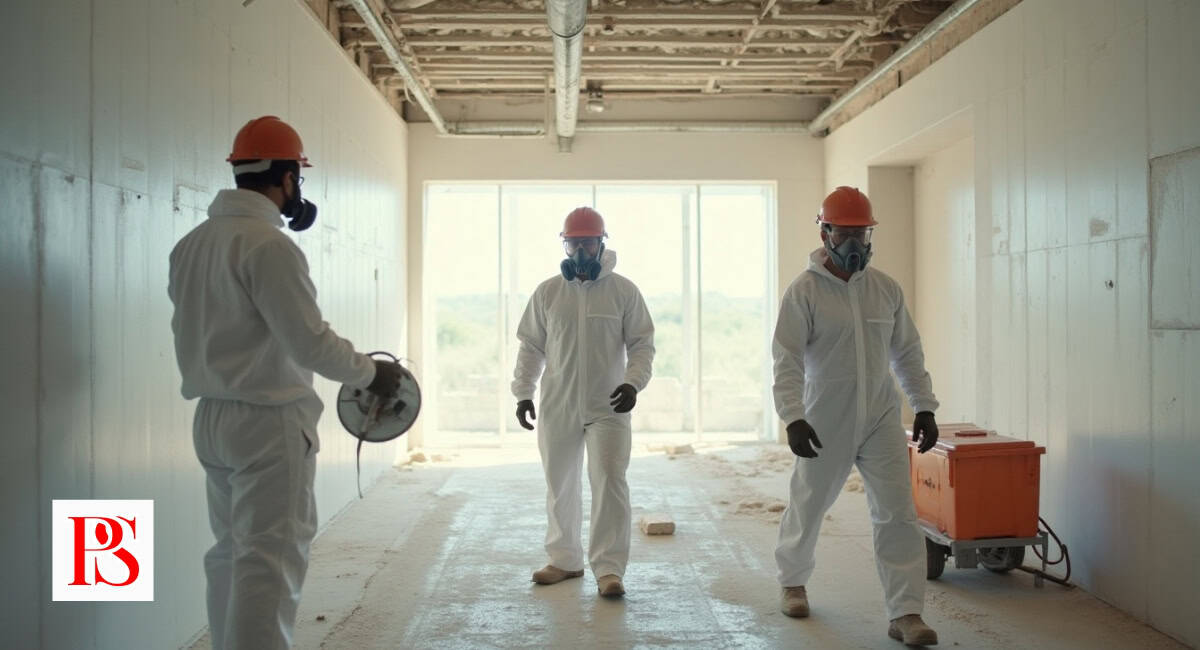
- Use proper PPE including respirators, face shields & disposable coveralls
- Install containment barriers to prevent lead dust spread
- Follow EPA RRP Rule guidelines for lead-safe work practices
- Properly dispose of lead-contaminated materials
- Document all testing results & safety procedures
- Maintain records for at least 3 years
Our team at Pro Solutions uses specialized containment systems when working with lead-based materials, particularly in older commercial buildings common in the Gulf Coast region.
Structural Assessment Guidelines
A professional structural assessment helps ensure safe interior demolition:
- Obtain a certified structural engineer’s report
- Identify load-bearing vs non-load-bearing walls
- Evaluate floor joist & beam conditions
- Assess foundation impact
- Review building system connections
- Document existing damage or weaknesses
- Create detailed demolition sequence plans
- Include temporary support requirements
- Consider post-demolition cleanup needs
On commercial projects in high-rise buildings in Palm Beach and Broward counties, we’ve found that proper structural sequencing can significantly reduce project timelines and enhance safety during the demolition process.
Selecting Licensed Contractors
Contractor Licensing Requirements
Before hiring a contractor for your interior demolition project in Florida, verify their licensing status. Contractors must hold a valid state license issued by the Florida Department of Business and Professional Regulation (DBPR). The license requirements include:
- Passing state certification exams
- Providing proof of financial stability
- Demonstrating at least 4 years of relevant experience
- Maintaining continuing education credits
- Holding current workers’ compensation coverage
You can verify a contractor’s license status through the DBPR website by entering their license number or business name. Always request to see physical proof of licensing before signing any contracts.
Insurance and Liability Coverage
Working with properly insured contractors protects you from potential financial risks during demolition projects. Your chosen contractor should carry:
- General liability insurance (minimum $1 million coverage)
- Workers’ compensation insurance
- Property damage coverage
- Professional liability insurance
- Vehicle insurance for equipment transport
Request current certificates of insurance and verify coverage directly with their insurance provider. For large-scale commercial demolition projects, consider contractors who partner with post-construction cleaning specialists like Pro Solutions to ensure comprehensive project management and waste handling. This integrated approach helps maintain safety standards and compliance throughout the demolition process.
Planning Your Demolition Project
Timeline and Scheduling
Plan your interior demolition timeline around the permit approval process, which can take 2-4 weeks in most Florida municipalities. Here’s what to consider:
Pre-demolition Phase (1-2 weeks)
- Schedule required inspections for hazardous materials
- Submit permit applications
- Arrange utility disconnections
- Secure necessary contractor agreements
Permit Processing (2-4 weeks)
- Allow time for permit review
- Address any correction requests
- Obtain final approval
Project Coordination (1 week)
- Notify neighbors about upcoming work
- Schedule dumpster delivery
- Coordinate with contractors
- Plan debris removal
Demolition Work
- Small projects: 2-5 days
- Medium renovations: 1-2 weeks
- Complete interior gutting: 2-4 weeks
Based on our experience in the Orlando region, we’ve found that permit processing times can extend to 6 weeks during peak construction seasons, making early planning essential for project success.
Cost of Permits
Interior demolition permit costs in Florida vary based on several factors:
Base Permit Fees
- Residential permits: $150-$500
- Commercial permits: $500-$2,500
- Plan review fees: 50% of permit cost
Additional Costs
- Inspection fees: $75-$150 per inspection
- Processing fees: $25-$50
- Expedited review: Additional 50% of base fee
Variable Factors
- Project scope and complexity
- Property location and zoning
- Building type and size
- Special district requirements
Always budget an extra 10-15% for unexpected permit requirements or additional inspections. Contact your local building department for exact fee schedules.
In Broward County specifically, we’ve found that expedited review services can significantly reduce waiting times for complex commercial projects when critical timelines must be met.
Managing Waste Disposal Requirements
Debris Removal Regulations
When handling interior demolition debris in Florida, you must follow specific disposal protocols. All construction and demolition waste requires proper sorting into designated categories including concrete, metal, wood, and hazardous materials. You’ll need to document the type and volume of waste generated during the project for regulatory compliance.
Construction debris must be transported in covered containers to prevent materials from falling onto roadways. Local regulations require that you use approved waste haulers who maintain proper licenses and insurance. You must also obtain specific permits for dumpster placement on public property or rights-of-way.
For projects generating more than 10 cubic yards of debris, you’ll need to submit a waste management plan to local authorities. This plan should detail:
- Expected waste types and volumes
- Transportation methods
- Disposal facility information
- Recycling strategies
- Hazardous material handling procedures
Our team at Pro Solutions offers trailer-mounted dumpsters that don’t require street permits in most municipalities, providing significant cost savings and scheduling flexibility for our clients.
Recycling Guidelines
Florida’s waste management regulations encourage recycling of demolition materials whenever possible. You must separate recyclable materials including metal, wood, concrete, and cardboard from general waste. Most municipalities require a minimum recycling rate of 50% for construction and demolition projects.
Key recycling requirements include:
- Sorting materials at the source
- Using designated recycling containers
- Maintaining recycling records
- Working with certified recycling facilities
| Material Type | Required Recycling Rate |
|---|---|
| Metal | 75% |
| Concrete | 60% |
| Wood | 50% |
| Cardboard | 80% |
Your waste management plan should identify local recycling facilities and outline procedures for material separation. Regular documentation of recycled materials helps demonstrate compliance with local requirements and supports environmental sustainability goals.
Throughout Tampa and the Gulf Coast region, we’ve developed relationships with specialized recycling facilities that process construction debris more efficiently than standard waste management services.
Addressing Special Circumstances
Historic Building Considerations
Interior demolition in historic buildings requires additional permits and careful consideration of preservation guidelines. You’ll need approval from your local Historic Preservation Board before starting any demolition work. Here are the key requirements:
- Documentation: Submit detailed photographs of existing conditions, architectural features, and historical elements
- Preservation Plan: Provide a strategy for protecting significant historical features during demolition
- Expert Assessment: Hire a qualified preservation architect to evaluate the building’s historical significance
- Material Salvage: Outline plans for preserving and storing original materials like trim, moldings, or fixtures
- Special Techniques: Use methods that minimize damage to surrounding historic fabric
- Review Process: Allow extra time for the historic board review, which can take 30-60 days
Our team has extensive experience working in designated historic districts in Palm Beach County, where we’ve developed specialized demolition techniques that preserve historical elements while allowing for modern renovations.
Commercial vs Residential Requirements
Commercial demolition projects face stricter requirements compared to residential work. Here’s what you need to know:
- Scope Documentation: Commercial projects require detailed demolition plans stamped by a licensed engineer
- Safety Protocols: Submit comprehensive safety plans including evacuation routes and fire prevention measures
- Insurance Coverage: Maintain higher liability insurance limits, typically $1-2 million minimum
- Debris Management: Create detailed waste disposal plans following commercial guidelines
- Professional Services: Partner with specialized cleaning services like Pro Solutions for post-demolition cleanup
- Business Continuity: Provide plans for minimizing disruption to neighboring businesses
- Inspection Schedule: Complete multiple progress inspections throughout the demolition process
For large commercial projects, Pro Solutions offers integrated services packages that combine demolition, waste management, and post-construction cleaning to ensure your site meets all safety and cleanliness requirements after demolition work.
Following Inspection Protocols
Pre-Demolition Inspections
Before starting any demolition work, you’ll need to complete several critical inspections:
Asbestos Assessment
- Schedule a certified inspector to test for asbestos presence
- Obtain an asbestos affidavit documenting the results
- Submit findings to the Department of Environmental Protection if asbestos is found
Structural Evaluation
- Have a licensed engineer assess load-bearing elements
- Document existing structural conditions
- Identify potential hazards or structural concerns
Documentation Requirements
- Take detailed photos of the demolition area
- Mark utilities and mechanical systems
- Submit floor plans highlighting areas for removal
- Prepare safety protocols and emergency procedures
Having completed hundreds of commercial demolition projects across Florida, we’ve found that thorough pre-demolition documentation provides critical legal protection and facilitates faster final approvals.
Final Approval Process
The final approval process involves several key steps to ensure your demolition project meets all requirements:
Inspection Scheduling
- Book required inspections with local building officials
- Maintain a checklist of inspection milestones
- Allow 48-72 hours for inspector response
Documentation Review
- Present all completed inspection reports
- Show proof of proper waste disposal
- Provide updated floor plans reflecting completed work
Final Walk-Through
- Demonstrate compliance with permit specifications
- Address any outstanding violations
- Receive final clearance documentation
Site Verification
- Confirm all debris removal
- Verify structural integrity
- Document completed safety measures
For larger commercial demolition projects, efficient cleanup is essential for final approval. Our professional cleaning services ensure your site meets all inspection requirements with first-time pass rates exceeding 95% across our service areas.
Maintaining Compliance During Demolition
Safety Standards
You must maintain rigorous safety standards during interior demolition to protect workers and property. Here’s what you’ll need:
- Personal Protective Equipment (PPE): Ensure all workers wear hard hats, safety glasses, gloves, steel-toed boots, and respiratory protection when needed
- Site Security: Install proper barricades, warning signs, and temporary fencing to prevent unauthorized access to demolition areas
- Containment Systems: Set up dust barriers and negative air pressure systems to control debris and protect adjacent spaces from contamination
- Emergency Protocols:
- Post emergency contact numbers
- Keep first aid kits readily available
- Maintain clear evacuation routes
- Have fire extinguishers on site
- Daily Safety Checks: Conduct regular inspections of equipment, tools, and work areas to identify potential hazards
Our OSHA-certified team implements advanced containment barriers that exceed industry standards, particularly important for demolition in occupied commercial buildings like banks and healthcare facilities.
Progress Documentation
Proper documentation helps ensure compliance and protect you from potential liability. Track these essential elements:
Daily Work Logs:
- Record start and end times
- Document weather conditions
- Note any safety incidents
- List personnel on site
- Track equipment usage
Photo Documentation:
- Take before, during, and after photos
- Document exposed structural elements
- Capture safety measure implementations
- Record proper waste disposal methods
Inspection Records:
- Keep copies of all official inspections
- Document internal safety audits
- Maintain equipment inspection logs
- Record air quality monitoring results
Waste Management Records:
- Track debris removal quantities
- Document proper disposal methods
- Keep recycling documentation
At Pro Solutions, we utilize digital documentation systems that provide real-time project tracking accessible to clients and regulatory officials, ensuring maximum transparency throughout the demolition process.
Understanding Permit Violations and Penalties
Common Violations
- Performing demolition work without obtaining required permits from local building departments
- Failing to get proper hazardous material assessments before beginning demolition
- Not following approved demolition plans or deviating from permit specifications
- Working with unlicensed contractors or allowing unqualified workers to perform demolition
- Improper disposal of demolition debris and hazardous materials
- Starting work before receiving final permit approval
- Not maintaining required documentation during the demolition process
- Failing to post permits on-site during active demolition work
- Conducting demolition outside approved work hours
- Neglecting to get necessary inspections at required project phases
In our years of experience across Florida, we’ve observed that documentation failures account for over 60% of all permit violations, making proper record-keeping essential for avoiding penalties.
Associated Fines
- First-time permit violations typically result in fines of $500-$5,000 depending on project scope
- Repeated violations can lead to penalties of up to $10,000 per incident
- Working without permits may require paying double or triple the normal permit fees
- Improper hazardous material handling can result in state-level fines up to $25,000 per day
- Stop work orders halt all progress until violations are corrected
- Additional costs include:
- Permit reinstatement fees
- Re-inspection charges
- Required professional assessments
- Documentation fees
- Site remediation expenses if environmental damage occurs
For commercial projects requiring post-cleanup verification, Pro Solutions provides comprehensive documentation services to help avoid additional penalties and ensure full compliance with all regulatory requirements.
Need professional help with your interior demolition project? Contact Pro Solutions today for a free consultation and estimate. Our experienced team ensures permit compliance, safe demolition practices, and thorough post-construction cleanup across Florida.